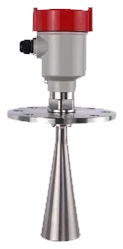
Radar Level Indicators
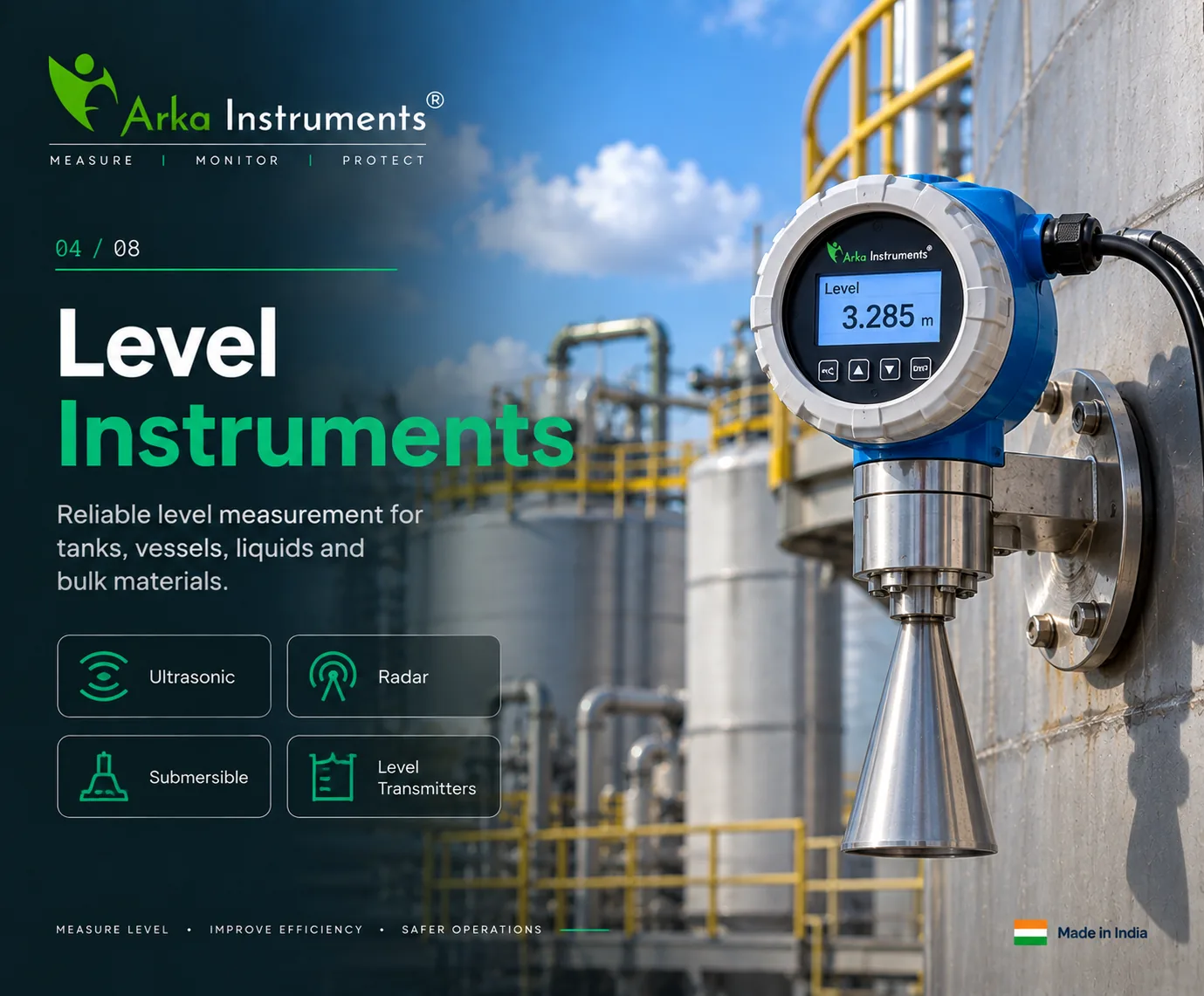
Non-contacting radar for vessels where vapour, foam or an aggressive liquid rules out putting an instrument in the product.
EnquireContinuous level measurement and point-level switching for tanks, sumps, open channels and pits. Contacting where the liquid allows it, non-contacting where it does not.
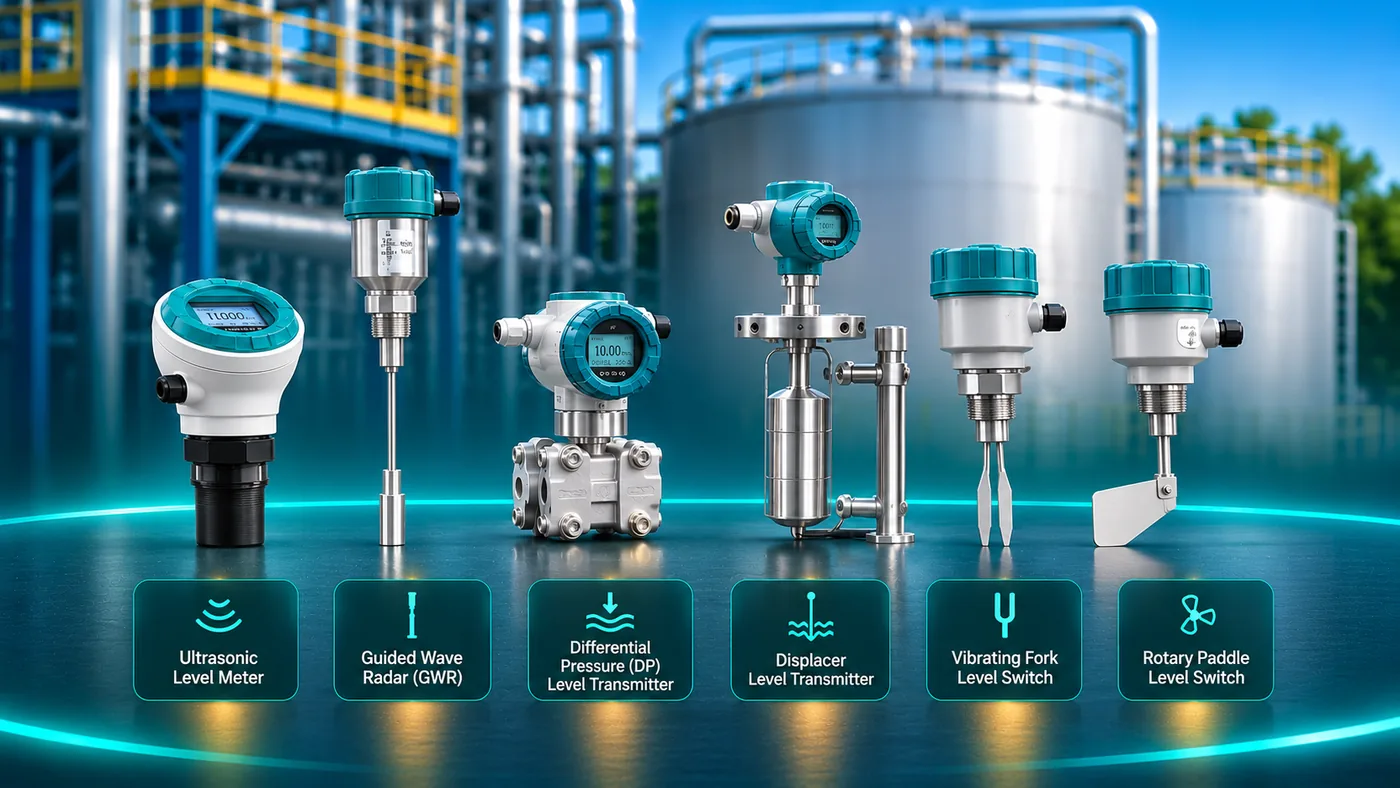
Continuous instruments tell you how much is in the tank. Switches tell you when it is too much, and they are usually what protects the pump.
Non-contacting radar for vessels where vapour, foam or an aggressive liquid rules out putting an instrument in the product.
Enquire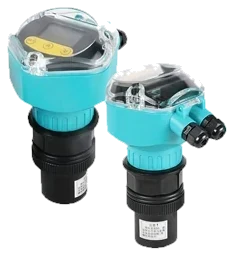
Non-contacting ultrasonic measurement for sumps, open channels and water tanks, the economical choice for benign liquids.
Enquire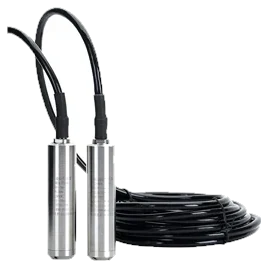
Hydrostatic sensors lowered into the liquid, unaffected by tank geometry, obstructions or surface foam.
Enquire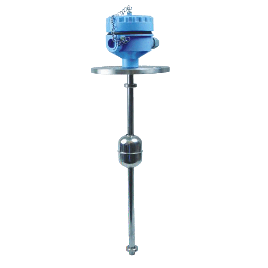
The transmitter body for continuous measurement, sending 4–20 mA back to a panel, DCS or logger.
Enquire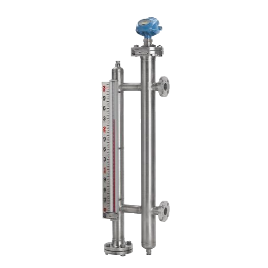
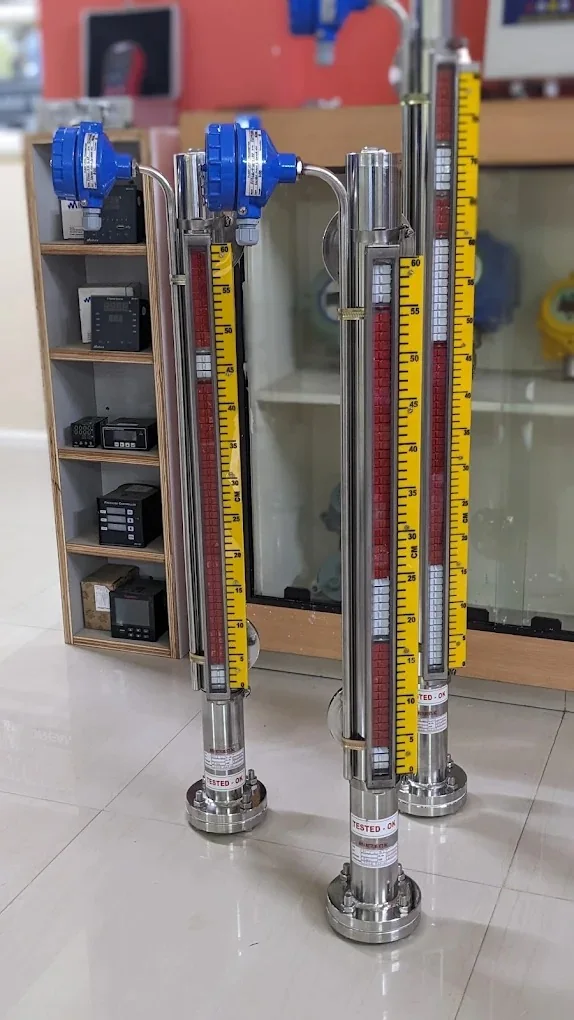
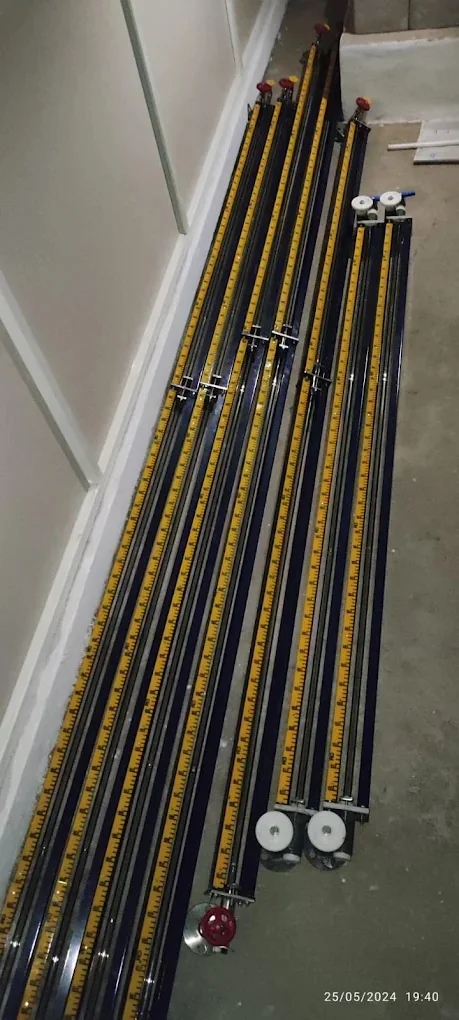
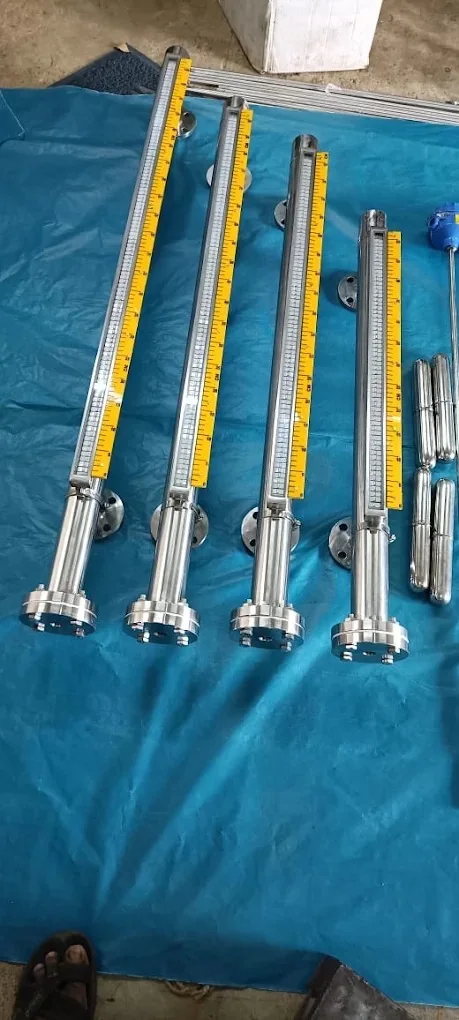
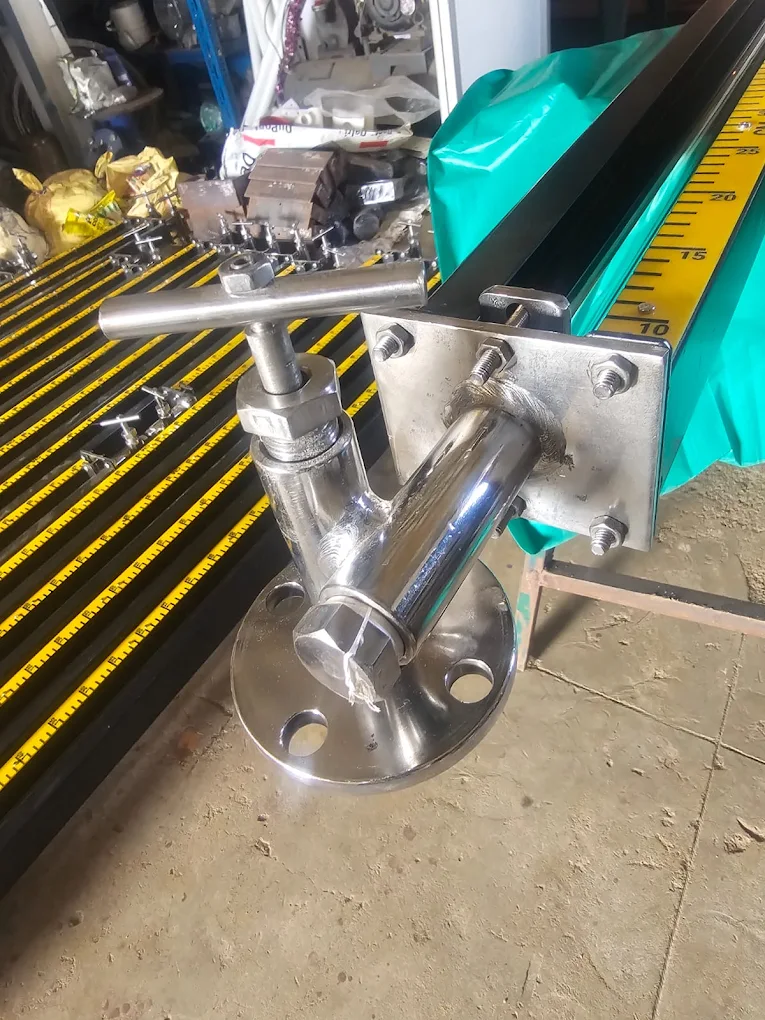
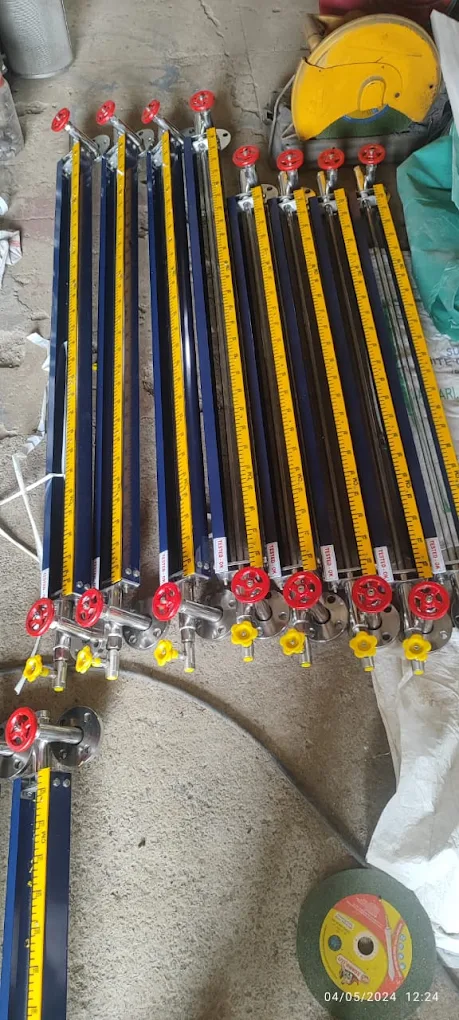
Local indication at the vessel, so an operator reads the level where they stand rather than walking to the control room.
Enquire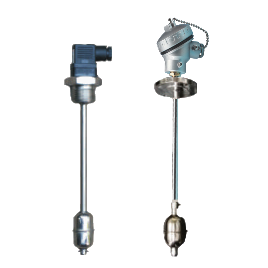
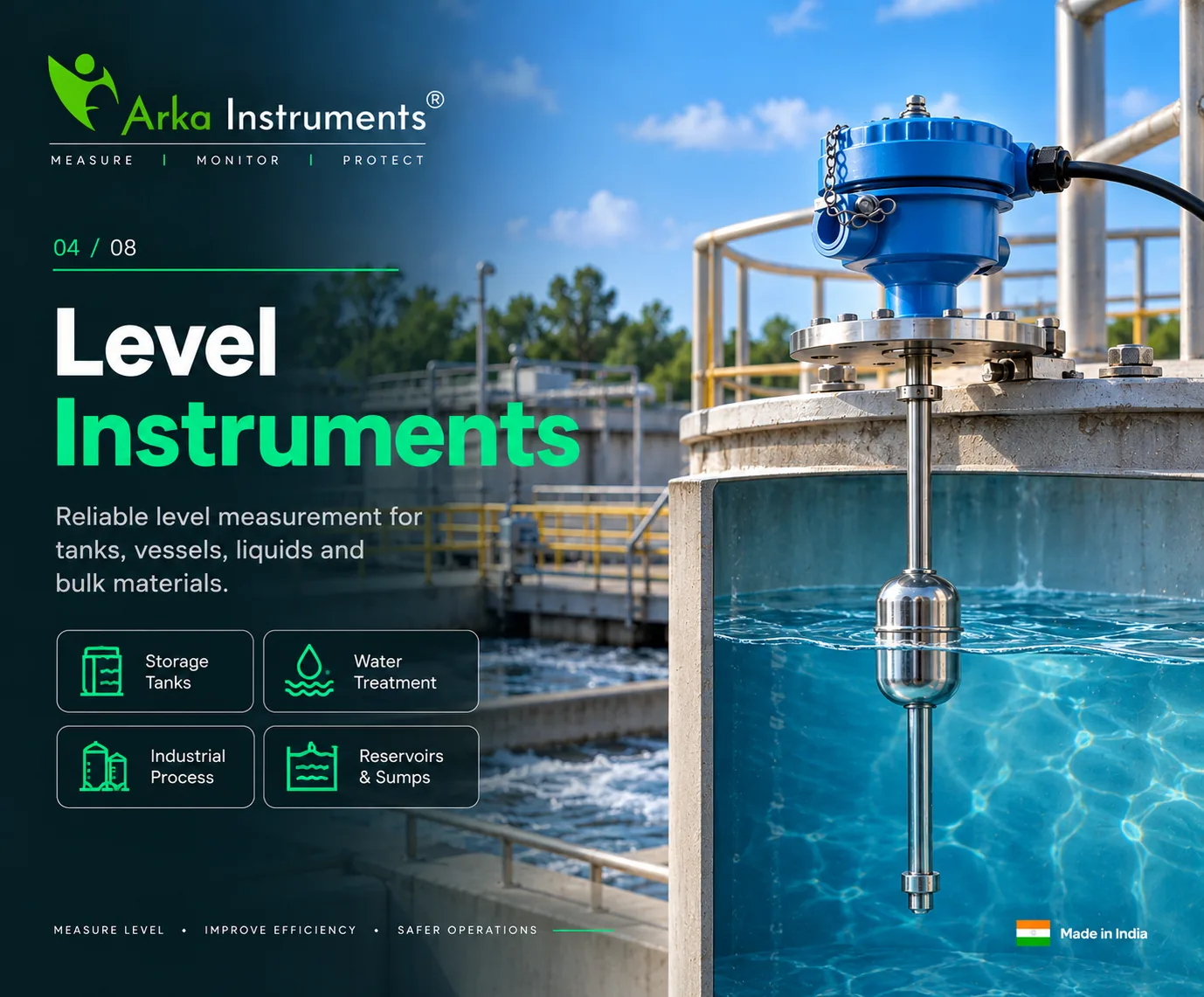
Point-level switching for high and low alarms, pump protection and overfill prevention.
EnquireVapour, foam, condensation or an aggressive liquid. Nothing touches the product.
Sumps, water tanks and open channels where the economics matter more than the extremes.
Borewells and sumps where the sensor goes in and tank geometry stops mattering.
Continuous 4–20 mA back to the panel, DCS or IoT logger.
Where the operator is at the tank and not at a screen.
A pump that must not run dry, or a tank that must not overfill.
Product, vessel height, mounting and whether foam or vapour is present. We will pick the principle and quote it.