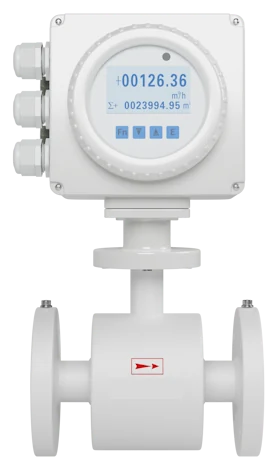
Electromagnetic Flowmeter AI-FMC240
No moving parts, no bearings and no pressure loss. Measures any conductive liquid, above 5 µS/cm, in both directions, unaffected by temperature, pressure, density or viscosity.
EnquireElectromagnetic, turbine, vortex and mass, because no single principle covers water, chemicals, gas and steam. The right meter is the one that suits the fluid, the line and whether you have power at the point of measurement.
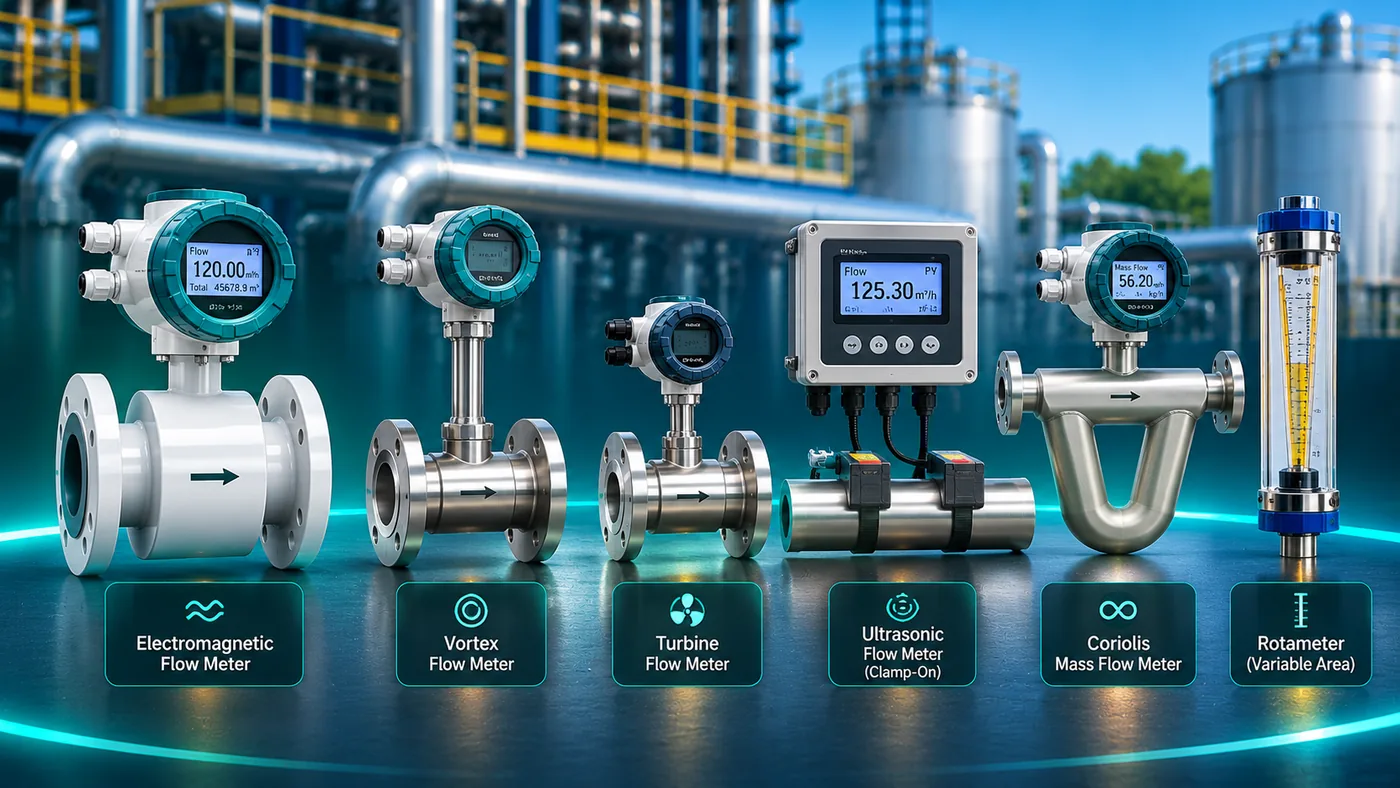
No moving parts, no bearings and no pressure loss. Measures any conductive liquid, above 5 µS/cm, in both directions, unaffected by temperature, pressure, density or viscosity.
Enquire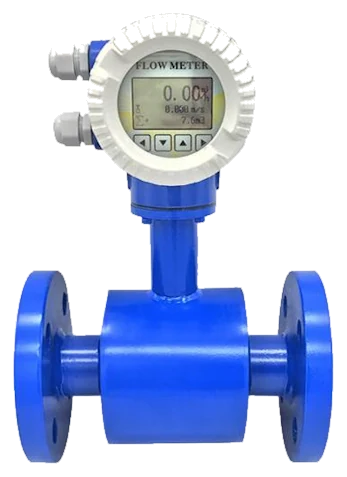
Full-bore measurement for water, effluent, corrosive liquids and slurry, from DN10 to DN1200, with 4–20 mA, pulse and RS485 Modbus out.
Enquire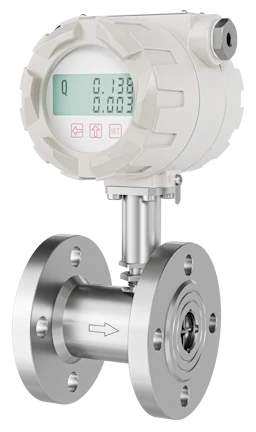
High precision and a wide range for clean liquids free of fibres and particles, with pulse, current output and local display. DN4 to DN200.
Enquire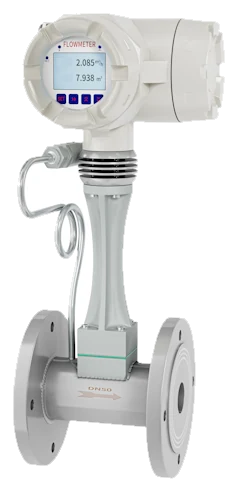
Karman vortex measurement for steam, gas and liquid, with temperature and pressure, instantaneous and totalised flow, pulse, 4–20 mA and RS485.
Enquire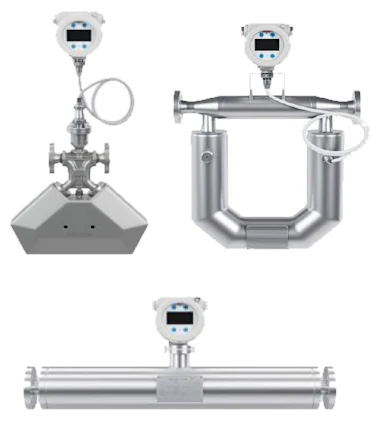
Direct mass flow, plus density and temperature, for viscous fluids, slurries and suspensions, with no straight-pipe requirement up or downstream.
Enquire| Conductive liquid, any cleanliness | Electromagnetic, AI-FMC240 or AI-MT821, full bore and unobstructed |
|---|---|
| Large lines and slurry | Electromagnetic AI-MT821, DN10 to DN1200 |
| Clean, low-viscosity liquid | Liquid turbine AI-FLC240, compact and economical |
| Steam or gas | Vortex AI-FVC240, with temperature and pressure |
| Mass flow, viscous fluids, density | Coriolis AI-FCC600, no straight-pipe runs needed |
| Non-conductive liquid | Vortex, turbine or Coriolis, since electromagnetic needs conductivity |
| Billing or totalising duty | Pair any of the above with a totalizer control unit |
Most flow installations end up needing a total, a report or an alarm. We supply the totalizer control unit, the logger and the dashboard alongside the meter, so it arrives as a working measurement rather than a pulse output.
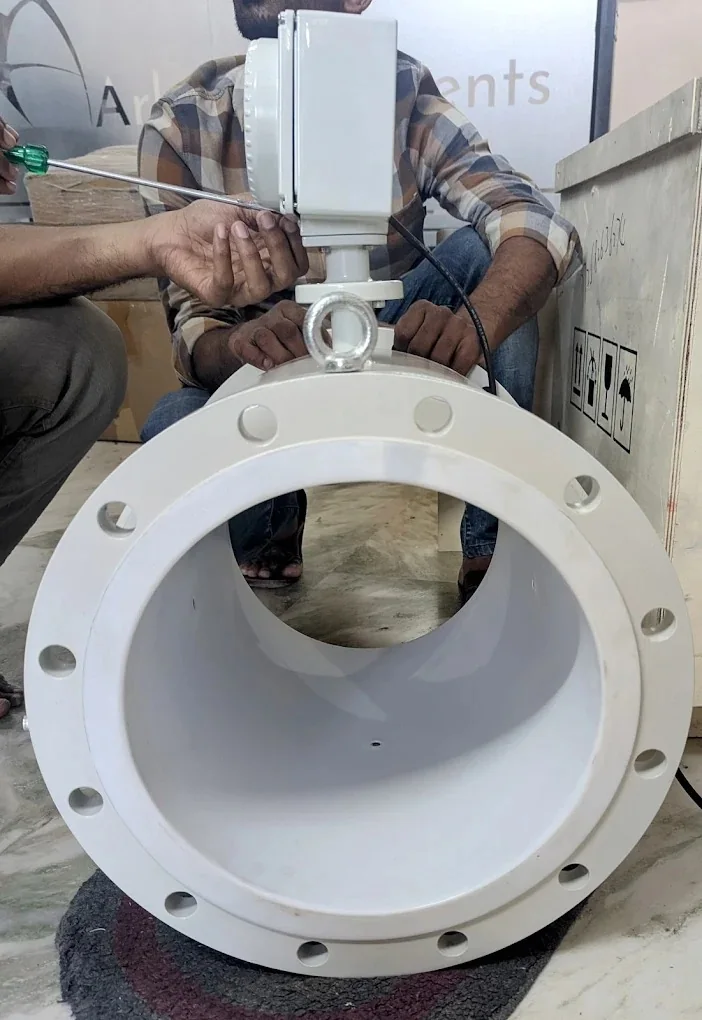
Fluid, line size, expected flow range and whether you have power at the point. That is enough for us to quote.